
Global wildlife trafficking estimated to be worth over one hundred billion US dollars a year, behind only illegal drug and weapons trafficking in terms of value.
Wildlife trade is now one of the main threats to global biodiversity. The ease of global travel has opened up areas that were once inaccessible, and greater and greater numbers of animals, and more and more species, are being taken from the wild. The latest research shows that a third of all reptile species and a quarter of all bird species are now in trade.
Removing animals and plants from the wild cancels their contributions to the functioning of the ecosystems they inhabit.
This pushes the world's ecosystems - forests, wetlands, rivers, grasslands and coral reefs, closer to degradation and potential collapse. But it is not only animals who rely on nature's ecosystems. People need healthy ecosystems for drinking water, clean air, pasture, timber and protein. Biodiversity loss puts these ecosystem services under threat.
What is legal?
The (Convention on International Trade in Endangered Species of Wild Fauna and Flora (CITES) is an international agreement that determines the legality of species trade globally to ensure that the import, export, re-export and introduction does not threaten species extinction. 180 countries and territories, including Hong Kong SAR, are signatories to CITES.
Species are categorised into three appendices (I, II, III) by meeting certain criteria, such as species' exploitation level in certain countries, and its conservation status, as determined by the International Union for Conservation of Nature (IUCN).
Appendix I includes species threatened with extinction, such as all species of rhinos. Trade in specimens of these species is permitted only in exceptional circumstances. Appendix II includes species not necessarily threatened with extinction, but in which trade must be controlled in order to avoid utilization incompatible with their survival.
Species at risk:


Hong Kong and wildlife trade
Hong Kong Special Administrative Region of China is Asia's center of trade and commerce and coined a wildlife trade 'hub'. The rising incomes in Asia are fuelling the demand for wildlife products that are used for traditional medicine and food.
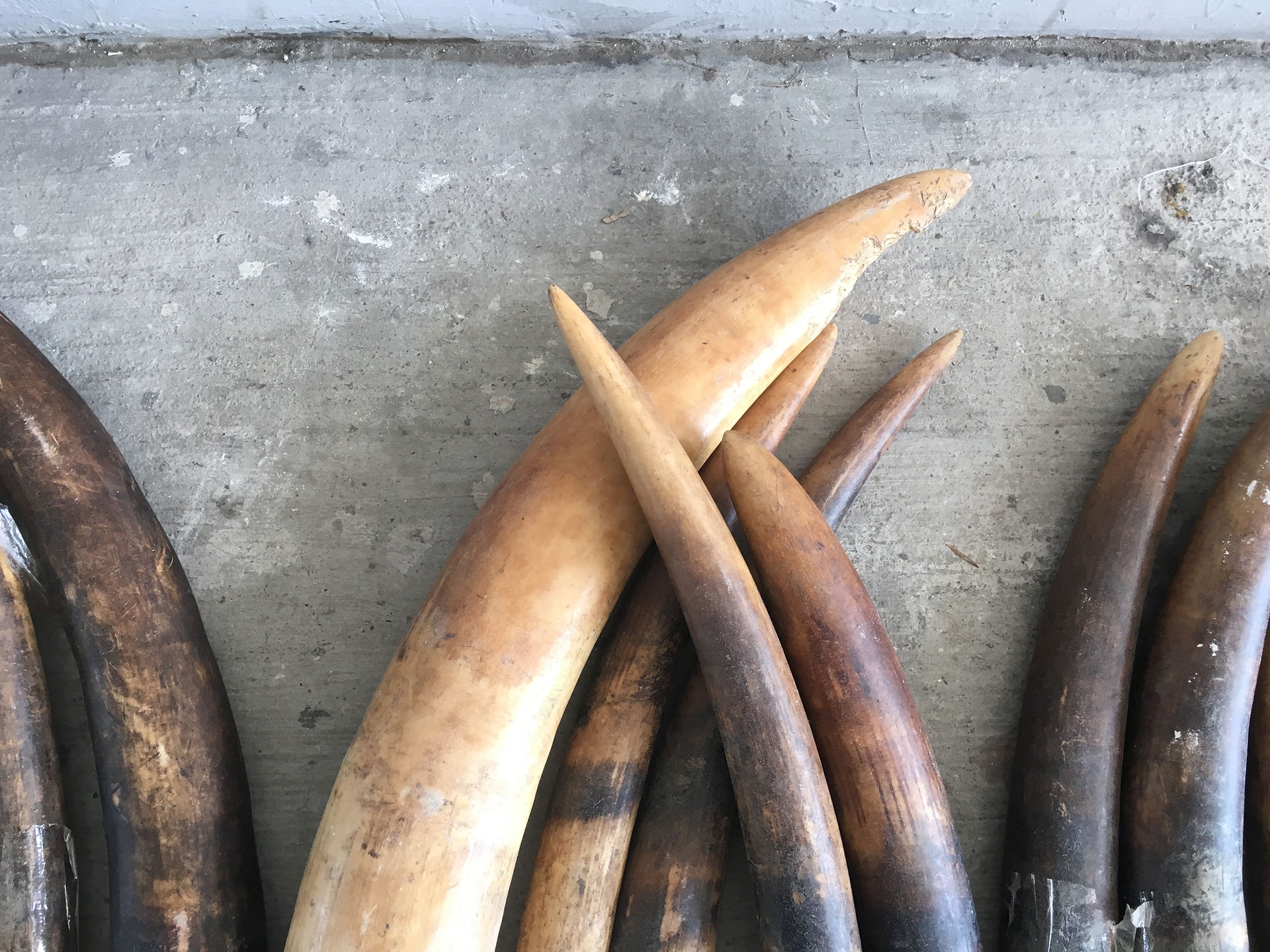
Live animals are also caught in large numbers for pet trade. Hong Kong has become the regional and global wildlife trading hub, and seizures of ivory, pangolin scales and tropical hardwoods are increasing in size and frequency.
In 2021 wildlife crime was included in Hong Kong's Organised and Serious Crimes Ordinance.
Species Victim Impact Statement (SVIS) Initiative
In 2016, Associate Professor Amanda Whitfort launched the Species Victim Impact Statements (SVIS) initiative to ensure that the sentences passed by judges for wildlife trafficking accurately reflect the severity of the crime committed.
Each Species Victim Impact Statement is a guide for prosecutors and judges to a commonly trafficked species, providing information on its conservation value, the ecosystem impact caused by its exploitation, population depletion and food chain effects of the crime, current monetary value of species on the black market, welfare concerns for particular species in harvesting and transport, invasive species risks, and disease and pathogen concerns in illegal trade.
The SVIS Initiative, working together with the Center for Conservation Forensics, has prepared over 100 SVIS for Asia and Africa's most widely trafficked species and we provide these SVIS to judiciaries and legal professionals around the world.
To request SVIS, contact Prof. Amanda Whitfort - whitfort@hku.hk