

Pangolins - the world's most trafficked animal
Pangolins are the only mammals that have scales which are also the cause of pangolins' demise. The demand for scales in Traditional Chinese Medicine (TCM) has devastated populations of both Asian and African species in the wild.
Commercial trade of pangolin is banned, but thousands of kilograms of scales are now regularly seized by law enforcements around the world.
Prof. Tim BONEBRAKE leads CFL's pangolin project.

Helmeted hornbill - more precious than ivory
Helmeted hornbills are intensively hunted for its casque - a structure on its skull that is used to amplify its call. The casque is considered more valuable than elephant ivory and the demand has led to helmeted hornbill becoming critically endangered. Hong Kong's customs regularly intercept illegal shipments of hornbill casques.
Scientists at CFL are developing a genetic tool to determine where these seized casques come from. This will help coordinate and focus enforcement in the countries of origin.
Dr Chloe HATTEN's PhD thesis investigated the international trade in Helmeted hornbill casques.

Napoleon wrasse - coral reef giant
This giant reef fish grows to more than 2 m long and at its heaviest weighs up to 100 kg. It is prized as a delicacy in Asian countries and, despite restrictions on its catch and trade, large numbers are brought into Hong Kong illegally and sold, live, for very high prices in sea food restaurants.
Prof. Yvonne SADOVY is one of the world's leading experts on trade in coral reef fish. She leads the project to combat the laundering of Napoleon wrasse in Hong Kong.

Snakes in the soup
Snakes are part of local cuisine in South China and the demand has caused a decline in local populations.
Dr Felix Landry YUAN completed his PhD thesis on snake trade, investigating the genetic tools that can help identify snake species traded in Hong Kong and the cultural reasons for consuming snake products.

Tokay geckos
This large species are well known in Hong Kong and SE Asia for their loud vocalisations. However their numbers are declining due to the growing demand from Traditional Chinese Medicine and the pet industry.
Dr Pauline DUFOUR's PhD thesis investigates the trade of tokay geckos (Gecko gecko).

Traditional Chinese Medicine substitutes
Many species of animals are used in TCM but such practice is no longer sustainable and alternatives must be found to avoid extinction of species.
Postdoctoral associate Dr Yifu WANG is researching attitudes of TCM practitioners to the use of such substitutes.


Rosewood - forests become furniture
Rosewood (Dalbergia spp) is in high demand for furniture making. Asian species of Dalbergia have been extensively logged, and now the traffickers have turned to American and African species. CFL team are building a genetic database of rosewood species that will allow the law enforcement to identify the species and also the provenance of the rosewood.
PhD student Even Yee Man LEUNG is building a profile - source to market, of the trade in precious timber species.

Rosewood and sandalwood items on sale on in China
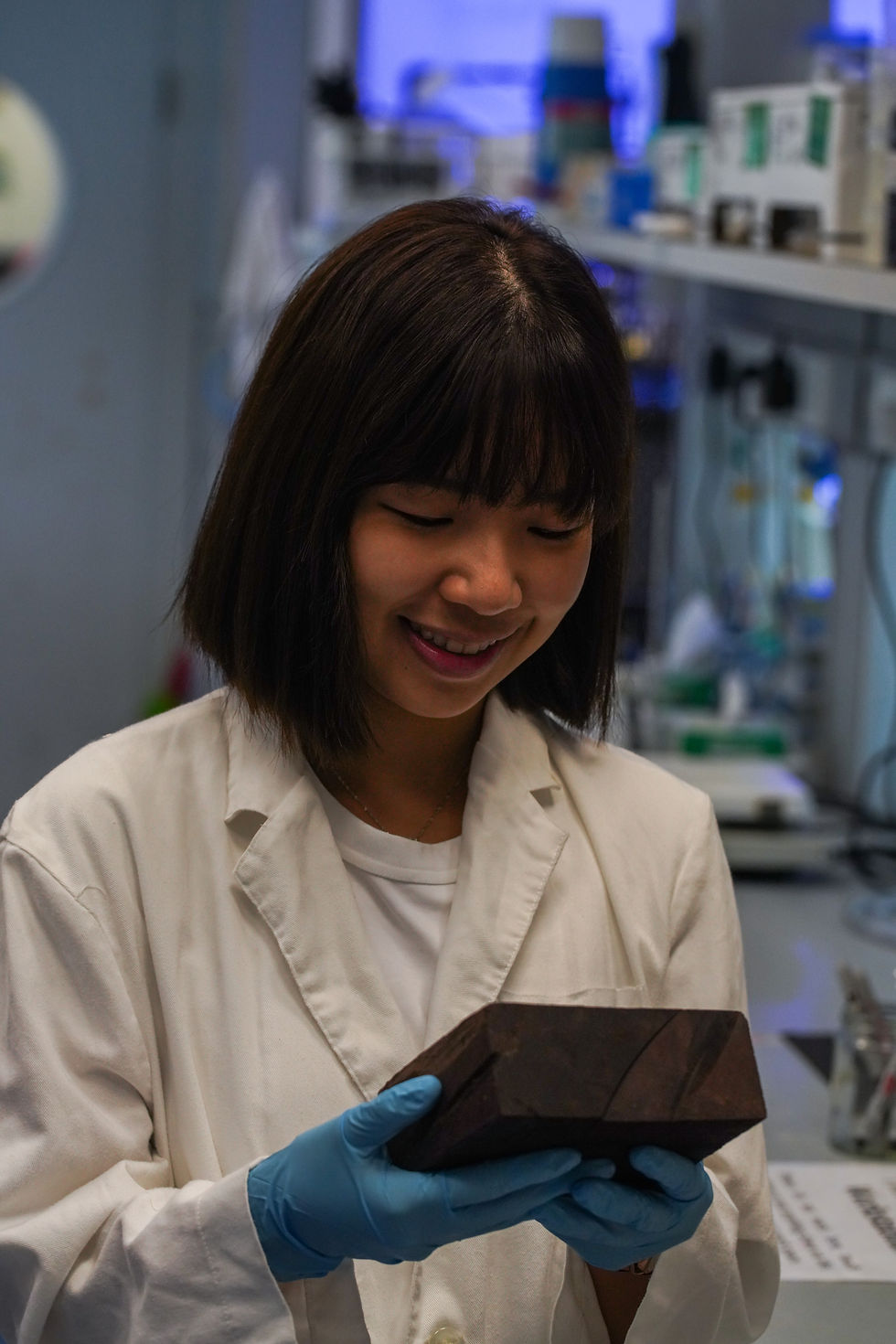
PhD student Even Yee Man Leung

Malagasy and Thai rosewood samples
Rosewood and sandalwood items on sale on in China
Incense Trees - poaching protection
Hong Kong's incense trees (Aquilaria sinensis) are under constant threat from poaching. As with Rosewood, incense tree products including agarwood (a dark, aromatic resin) are highly valuable, which has made it a highly traded commodity for thousands of years. Despite legal protections in both mainland China and Hong Kong, the high demand and limited supply of A. sinensis means that this species has become a target for poaching and the illegal trade.
Postdoctoral associate Dr Hannah Bethany TILLEY and PhD student Uva FUNG are working on genetic and isotopic tools to law enforcement to identify the provenance of trees and protect this species from poaching.


Cockatoos in Hong Kong - escape from wildlife trade
Hong Kong's urban cockatoos are not native, but escapees from wildlife trade. The population consists mainly of yellow-crested cockatoos (Cacatua sulphurea) that are now critically endangered in their native range in Indonesia.
Postdoctoral associate Dr Astrid ANDERSSON is developing isotopic and genetic tools to establish where this population came from and what species are represented. She is also assessing the genetic health of Hong Kong's cockatoos; investigating levels of inbreeding and hybridisation.
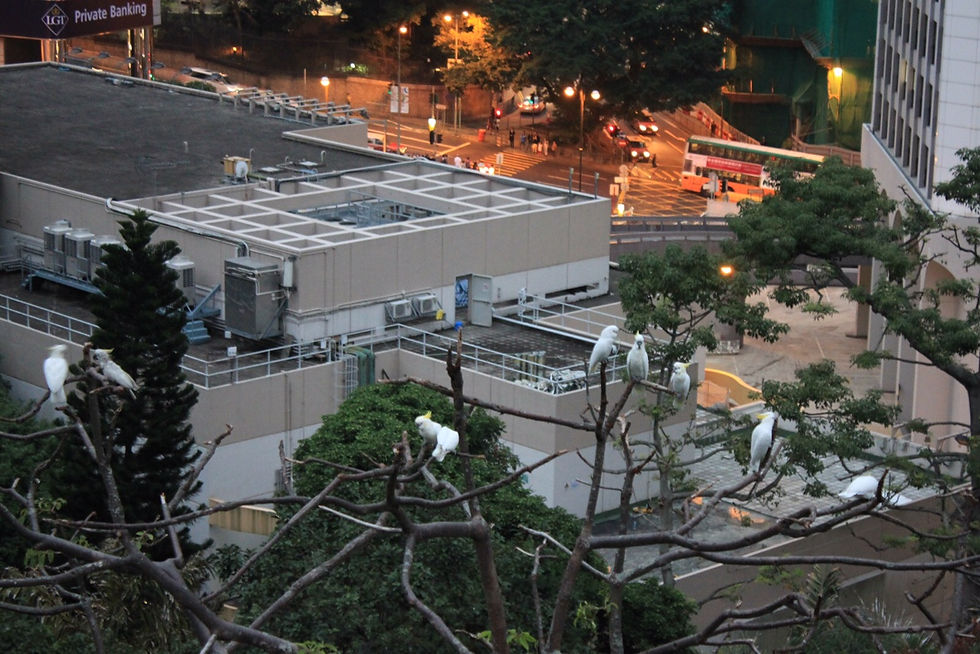
Cockatoos in Hong Kong preparing to roost

Yellow-crested cockatoo in nest hole in Hong Kong

Cockatoo on sale in Hong Kong
Cockatoos in Hong Kong preparing to roost

eDNA - a powerful tool to monitor trade for threatened species
Coral ecologist Prof. David BAKER explains how environmental DNA can be used to detect the presence of endangered species.